Showing posts with label Connecticut. Show all posts

Thursday, February 4, 2010

Book Look At The Nook (Farm, That Is), A Series Continues


Samuel Clemens (aka Mark Twain) would be proud.


The Nook Farm Book Club at Mark Twain House & Museum initial meeting was to talk about Huckleberry Finn.

The Mark Twain House & Museum and the Harriet Beecher Stowe Center continue to work together for six Thursdays from February to July - and the center of interest is books.

Upcoming reading list:

March 4, Uncle Tom's Cabin (@ Stowe)
April 1, Promised Land (@ Stowe)
May 6, Tom Sawyer Abroad, Tom Sawyer, Detective (@ Twain)
June 3, Stowe In Her Own Time (@ Stowe)
July 1, A Summer of Hummingbirds: Love, Art & Scandal, The Intersecting Worlds of Emly Dickinson, Mark Twain, Harriet Beecher Stowe and Marin Johnson Heade (@ Twain)

Call (860) 522-9258, extension 317, or e-mail krounds@stowecenter.org to commit to an evening. (They need a head count.) Free.

Made possible by The Harriet Beecher Stowe Center, The Connecticut Humanities Council and The Mark Twain House & Museum.

Editor's Note: As development of our news network continues with the new upgrades for image quality and other improvements, our interconnected community keeps on "Reporting On All Things Country, Boardroom to Barnyard™" - here's a sneak peek.

For stories on farm visits, business and feed and much more, visit Moo Dog Press or "Knitting Up Life" at Moo Dog Knits.

Monday, December 14, 2009

Trek To Brooklyn, Yes Brooklyn, Where Buffalo Roam


Creamery Brook Bison is a farm in Brooklyn, Connecticut, where visitors can see the rugged animals known as bison up close. (Note: Bison and 'buffalo' belong to the same family, Bovidae, yet the true 'buffalo' are native to Africa and Asia and the animals we all associate with the western USA are actually properly called bison. Doesn't change the lyrics of 'Home on the Range.')

(Want to taste something delicious? Try the choice cuts available. All from bison raised without hormones or antibiotics.)

The animals roam in pastures where they can be viewed safely. Austin and Deborah Tanner also serve up ice cream in season. Find the farm at 19 Purvis Road, Brooklyn.

For more about tours, groups or other farm products, call (860) 779-0837. A sampler that includes a cookbook costs about $40 plus shipping and prices vary depending on the cuts of meat.

Yarn made from the soft undercoat of a bison? Yes, we'll report more about the quality fiber and where to find some for winter warmth.

"Oh, give me a home where the buffalo roam
And the deer and the antelope play
Where seldom is heard a discouraging word
And the skies are not cloudy all day

Home, home on the range
Where the deer and the antelope play
Where seldom is heard a discouraging word
And the skies are not cloudy all day

How often at night when the heavens are bright
With the light from the glittering stars
Have I stood there amazed and asked as I gazed
If their glory exceeds that of ours

Home, home on the range
Where the deer and the antelope play
Where seldom is heard a discouraging word
And the skies are not cloudy all day

Where the air is so pure, the zephyrs so free
The breezes so balmy and light
That I would not exchange my home on the range
For all of the cities so bright

Home, home on the range
Where the deer and the antelope play
Where seldom is heard a discouraging word
And the skies are not cloudy all day

Oh, I love those wild flow'rs in this dear land of ours
The curlew, I love to hear scream
And I love the white rocks and the antelope flocks
That graze on the mountaintops green

Home, home on the range
Where the deer and the antelope play
Where seldom is heard a discouraging word
And the skies are not cloudy all day."


- "Home on the Range" is the state song of Kansas, written as a poem by Dr. Brewster M. Higley

Thursday, November 19, 2009

Country Weekend: Real Food, Farm Markets, Real People, Pure Fun


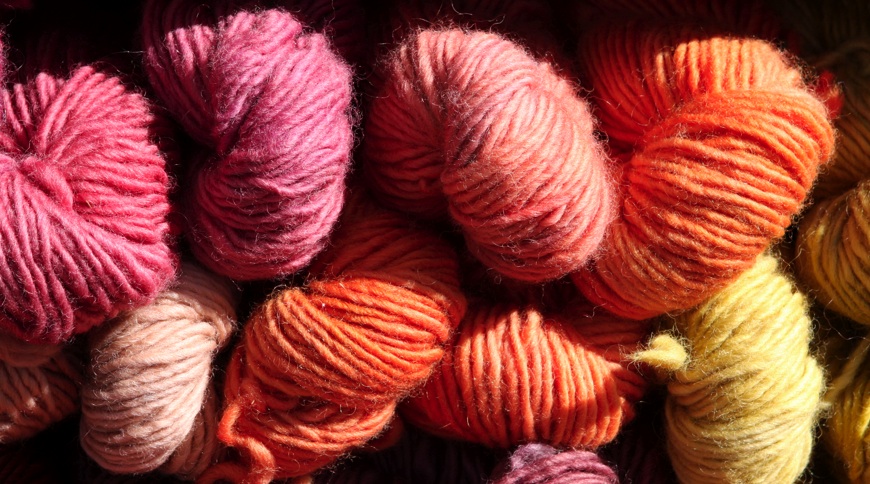
What do a mini horse stallion, red Farmall tractor, a Santa-hatted rooster and a wheelbarrow full of bright-hued yarns have in common?

All will converge with people out and about at great events this weekend. Those ambitious enough can pick up cold-weather fresh Brussell sprouts and turnips for the Thanksgiving feast or try bidding on a cutie-pie goat or horse to add to the zoo at home. There's two indoor farmers markets (holidays anyone?) and a fun- for- all tractor pull with Santa on site.


Saturday:

A horse and pony auction happens on Saturday, Nov. 21. Actually, four goats, a Morab, an Arab and seven Quarter horses, and six horses from UConn.

The Connecticut Department of Agriculture auction is at UConn Horsebarn Hill arena. Preview is 10 a.m.; auction at 1 p.m.
For more information call Linda Wenner, state animal control officer, (860) 713-2567.

Hand-crafted gifts, fresh (seasonal) produce and other delights at the holiday (indoor) edition of Hebron Farmers Market on Saturday, Nov. 21. Inside the First Congregational Church Hall, doors open at 10 a.m. Linked is a complete listing of artisans and farm products.

tuckerwood-farms-yarn

Sunday:

The Running Brook Farms Third Annual Tractor Pull is Sunday, Nov. 22, in Killingworth. Weigh in at 7 a.m.; pulling starts at 8:30 a.m. Kids can visit with Santa; refreshments will be available.
Location is 219 Route 80, Killingworth.

The first ever WinterFresh Coventry Farmers's Market is Sunday, 11 a.m. to 2, p.m. at Coventry High School, 78 Ripley Hill Road (just off Rt. 31) in Coventry.

Seasonal produce (fresh) includes kale, Romaine and green leaf head lettuce, white Japanese hakurie turnips, herbs, baby bok choi, broccoli, garlic, and much more.

Farms include Dondero Orchards: apples, pears, butternut squash, cabbage, made-on-the-farm jams, jellies, pickles, and apple and pumpkin pies; KD Crop Farm: potatoes, Brussels sprouts, cabbage, kohlrabi, cauliflower, broccoli, squash, turnips, kale, eggs, and pickles. Grass-fed beef, lamb, and fresh seafood, too.
fresh-from-the-farm
Beaver Brook Farm will bring lamb, veal, pastured chicken, lamb sausage, and savory lamb stew.

Farm to Hearth Flatbread pizzas will be made to order when you arrive or boxed for take out.

Thursday, November 5, 2009

Capewell Horseshoe Nails: A Connecticut Legend And Some Lore

No hoof, no horse. Good nutrition and feed builds a hoof from the inside out.

Shoeing horses is an art, and that calls for quality nails. (If you've owned a horse, you've heard of Capewell Horseshoe Nails, made right here in Connecticut.)

Today, the former legendary factory building in Hartford is crumbling, and company nail operations were acquired in 1985 by the Mustad International Group, headquartered in Bloomfield, Conn. But did you know that the Governor of Connecticut's mansion was originally the home of the president of Capewell?

The first governor to occupy the Executive Residence on Prospect Avenue was Gov. Raymond Baldwin, who moved into the mansion in 1945, two years after the state acquired it from the heirs of Dr. George C. F. Williams, president of the Capewell Horse Nail Company (that was the official name back then).

The mansion was built for Williams in 1909, and he lived in it until 1933. He was the inventor who had found a better way to cold-roll steel to make horseshoe nails.

The original factory and office building are at the corner of Charter Oak Avenue and Governor Street.

History reference, The Connecticut Register and Manual.


Vintage image of the company: Connecticut Historical Society; vintage rendering of factory complex, old postcard.

Saturday, October 31, 2009

Why Dogs Make Us Smile . . . And Why Dog Rescues Matter

Why are dogs in costume (or a sweater) so amusing? Just seeing them dressed up makes most people smile.

Daisy (pictured above in a baseball costume with Heather and friend) is a rescue dog adopted by Joanna “Jody” and Fred Hunt, owners of Shagbark Lumber & Farm Supplies. Daisy came home to Connecticut after Hurricane Katrina hit Louisiana.

Recently, the Hunts hosted their annual chili cook-off - a big hit in the community despite the weather - and a Lab rescue group, Labs4Rescue, came to the event.

For more about Lab rescues, visit their site at http://labs4rescue.com/index.shtml. (Be forewarned, the photos will melt your heart.)


Which brings me back to dogs and why rescues can be both challenging and rewarding.I'll confess to having been a Petfinder.com-aholic. (After losing my beloved Abby, a rescued Boston terrier, looking at dogs who needed homes helped.) And even with two other wonderful dogs, a dog did find me in a roundabout way - not the way I expected. (That's him, pictured at the very end of this story.)

Point is,
"Sometimes we go looking for a dog we think we want, and instead find the dog that we need."
The quote is from Holly, a rescuer of dogs of all breeds, a horse person, and a pretty good assessor of humans too. Plenty of hard work to train a dog, yet so rewarding to see one respond (especially when dealing with terrier that has his issues).


"A dog can express more with his tail in seconds than his owner can express with his tongue in hours."

- Author Unknown

Saturday, October 3, 2009

Scarecrow Blown Sideways - Part of the Scarecrow Walk, Old Wethersfield

It would take more than a tornado to stop Wethersfield - at least for long.

This year a tornado did touch down as the town celebrates its 375th year - it has weathered everything from helping to birth the United States to trees toppling on the green and every day life during that time.

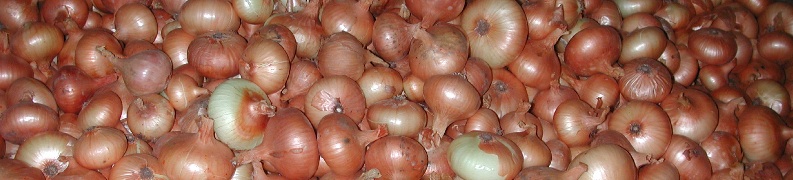
Founded in 1633, settled in 1635, the town is the most ancient in Connecticut (hotly contested by neighboring Windsor, a sort-of-friendly debate). More than 100 old homes can be found along its streets - and the town on the Connecticut River is known for its red onions, a book (The Witch of Blackbird Pond) and the natural beauty of its setting.

In May 1781, at the Webb House on Main Street, George Washington and Rochambeau planned the battle of Yorktown, which culminated in the independence of the colonies.

The scarecrows are back - and this year a special theme category this year will celebrate the 375th of the historic town of Wethersfield.

Wethersfield, settled in 1635, hosts its 13th annual Scarecrows Along Main Street event to delight all - and the walk around to view all the creative "beings" is wonderful for families.

Displays are up through Sunday, Oct. 25.

The event is free.


Monday, September 28, 2009

Wandering Hebron in Autumn - Cornstalks, Farm Stands, Barns

Wandering the backroads of Connecticut is pure delight in September and October especially. (Special thanks to Susan Berry for getting us to think about Hebron other than around maple festival time!)

Hebron is a great destination - the Hebron Farmers Market happens on Saturdays until Oct. 31 - 9 a.m. to noon. A profile on our visit to the market and "The Red Barn" appears on Moo Dog Press.

The Connecticut Renaissance Fair at the Hebron Lions Fairgrounds is over, but the parking lots were packed (knights, jousting, medieval marketplace) and we drove by.

Farm stands are always an adventure, and this small sign after our visit to the farmers market led to a stand, Gumby's Garden, some huge apples, and watching an excavator do groundwork for some new structure going up on the farm. (The 15-year-old entrepreneur is the reason for "Gumby" - so dubbed during school wrestling sessions by his coach.)


Thursday, September 17, 2009

It's Time! Simsbury Fly-In & Classic Car Show Celebrates Aviation


"I fly because it releases my mind from the tyranny of petty things."

- Antoine de Saint-Exupéry


The Simsbury Fly-In & Classic Car Show is the largest event of its kind in New England, Sunday, Sept. 20, 8 a.m. to 3 p.m. (Rain date is Sept. 27.)

Co-sponsored by EAA Chapter 324 and the Valley Classic Wheels Car Club, the fly-in includes classic and light sport aircraft, static displays, helicopters, plus antique and classic autos, new aircraft models, skydiving exhibitions and formation flying by the Yankee Clippers RV Squadron. Live music by The Clams and much more.


"Travelers are always discoverers, especially those who travel by air. There are no signposts in the air to show a man has passed that way before. There are no channels marked. The flier breaks each second into new uncharted seas."

- Anne Morrow Lindbergh, 'North to the Orient,' 1935


Admission is free. For more information call (860) 408-0040.

The Simsbury Airport is at 94 Wolcott Rd.; visit SimsburyAirport.com for more information. The Simsbury Flying Club is a non-profit organization and day-to-day operator of Simsbury Airport. A social membership is offered to those who love aviation and would like to join the club members community. Information is available online or during the fly-in.

Monday, September 14, 2009

Feast For Your Eyes: Acres And Acres Of Sunflowers In Bloom

If it rains, the sunflower maze at Lyman Orchards in Middlefield is closed, but a drive to see the fields of blazing color is still worth a drive. Lyman's has two mazes - a corn maze located near their Apple Barrel store and the sunflowers, higher up in the orchards on a winding road that offers drop-dead beautiful scenic vistas.

Those hungry for a taste of vibrant color can get their fill - weeks before the autumn leaves put on their glorious show.

For more about weather conditions, call the PYO and special events line at (860) 349-6015 or visit www.lymanorchards.com.

There are many orchards in Connecticut - Lymans offers a nearly unbroken expanse of land, fields and orchards without housing interspersed to break up the overall feeling of a true farm. (Otherwise, it's necessary to drive to western Massachusetts or Vermont to find the same open space.)

Tuesday, September 8, 2009

Attention Deer and Turkey Hunters: New Regulations This Year

The Connecticut Department of Environmental Protection (DEP) has announced new regulations that will affect deer and turkey hunting this upcoming season.

The regulations concerning the tagging and reporting of deer and turkeys harvested by hunters have undergone significant changes. The new regulations are designed to make the purchase of deer and turkey permits more convenient for sportsmen, as well as save money on the printing and distribution of permits and tags and improve harvest monitoring methods, according to the agency.

One of the most significant changes is that the DEP has done away with the Tyvek tags that used to come with deer and turkey hunting permits. Instead, hunters are now required to use newly-designed "kill tags" to record information about deer or turkeys they harvest.

Copies of the new tag design are displayed on page 37 of the 2009 Connecticut Hunting and Trapping Guide and are also available online at www.ct.gov/dep/hunting.

When hunters harvest a deer or turkey, they must fill out a tag, sign and keep the tag with the animal until it is brought to a check station or is processed for consumption.

When transporting a harvested deer or turkey, the tag does not have to be attached to the animal. Hunters can carry the completed, signed tag in their pocket so there is no chance of losing it. However, if the animal is left in the woods or at a vehicle, the tag must remain with the animal. It is recommended that it be placed in a plastic bag and secured to the animal.

In 2009, the number of days that deer must be brought to a check station has changed. Only deer taken during the first four days of the shotgun/rifle season (November 18-21) must be brought to a check station.

A listing of deer check stations is available on the DEP Web site, at DEP offices, and at most licensing agents.

At all other times, hunters are required to report their deer and turkey kills within 24 hours using one of two methods. Kills can be reported on the DEP website (www.ct.gov/dep/hunting) or by calling a toll free number (877-337-4868). Hunters are no longer required to mail in a kill report card. After reporting the information, hunters will be given a confirmation number to write on their tag. (This number serves as proof of a legal report.)

Deer hunters in deer management zones 11 and 12 who take advantage of the replacement antlerless and earn-a-buck tag programs must complete this same tagging and reporting procedure prior to going to a check station that issues replacement tags. Hunters using landowner permits must also use the same tagging and reporting procedure. (However, as in the past, they are not required to bring their deer to a check station.)

Also of interest to hunters is a new report about a "4-poster" deer treatment bait station, developed and patented by scientists with the Agricultural Research Service (ARS). The device reduces the number of ticks infected with the Lyme disease bacterium, according to facts in a six-year U.S. Department of Agriculture (USDA) study in five states—Maryland, New Jersey, New York, Connecticut and Rhode Island.

The $2.1 million "USDA Northeast Areawide Tick Control Project" investigators noted a 71 percent overall reduction in the number of ticks infected with the Lyme disease bacterium during summer months when most people get the disease.

"If the 4-poster is used in areas where the disease is endemic, this should translate to a corresponding 71 percent decrease in Lyme disease cases," according to Durland Fish, a professor of epidemiology at Yale School of Public Health and principal investigator for the project. "The effectiveness of the 4-poster ranged from 60 to 82 percent among the seven individual two-square-mile study sites."

The device is a bin that contains corn, with insecticide-laden paint rollers mounted at the bin's corners.

When a deer, which is the primary carrier of the blacklegged tick, Ixodes scapularis, that carries the Lyme disease bacterium, inserts its muzzle into the bin to feed, its head, neck and ears against the insecticide-treated rollers. When the deer subsequently grooms itself, the insecticide is spread enough to protect the animal's entire body.

For the complete report, visit the USDA site. Deer image, courtesy USDA.

Monday, August 24, 2009

Marsh Mallow In Bloom - How It Led To Fluff, Fluffernutters & Other Sweet Stuff


Not a hibiscus, this pretty pink bloom is a marsh mallow, (Althaea officinalis). It prefers salt marsh habitats, such as Hammonasset Beach State Park in Madison, where this image was captured.

The plant hails from Europe, transplanted originally because of its medicinal qualities, purported to help asthma, colds and coughs and skin inflammations. The mallow family of plants includes useful and pretty relations to the marsh mallow including the hollyhock, okra and the rose of Sharon.

The roots of the marsh mallow are the source for the original marshmallow candy, which was created by boiling the soft inner pulp from the roots with sugar until very thickened.


From the University of Maryland Medical Center site about Marshmallow (Althea officinalis): "Romans, Chinese, Egyptians, and Syrians used marsh mallow as a source of food, while the Arabs made poultices from its leaves and applied them to the skin to reduce inflammation. The root and leaves contain a gummy substance called mucilage. When mixed with water, it forms a slick gel that is used to coat the throat and stomach to reduce irritation, and is applied topically to soothe chapped skin."

That gummy substance mucilage means "jelly-like" - and this plant's root now has been replaced by gelatin and sugar and other ingredients in the making of the campfire variety of marshmallow. (Herbalists could cook up a small batch using plants, but to make mass quantities called for some ingenuity. )

One beloved marshmallow creation is Fluff, manufactured in Lynn, Mass. This is the company that created the "Fluffernutter" sandwich (peanut butter and Fluff) and its rather famous "no-fail fudge" recipe.

Image above and this information is from the company: What is Fluff made from?

Marshmallow Fluff contains corn syrup, sugar syrup, dried egg whites and vanillin.

There are no artificial preservatives, stabilizers or emulsifiers in any of our products.


And to those who cannot buy Fluff in their local stores, products can be ordered online or by phone; see www.marshmallowfluff.com for information.

And one town in Indiana fetes the marshmallow in all its glory at the Ligonier Marshmallow Festival, which the American Bus Association listed as one of the top 100 fairs and festivals events of the year (Sept. 3 to Sept. 7).

Other uses of marshmallows include Peeps brand novelties, Rice Krispie treats, the classic melty roasted-on-a-stick-at-campfires variety, and s'mores.

Saturday, July 18, 2009

Monster Catfish, Legend Or Fact?

big-mouth-catfish

Matthew Schoell entered the world of catfish by accident.

He caught his first catfish in the Wethersfield Cove, May 2001.

"I was attempting to catch carp," he said.

After pulling in a channel catfish, and landing another, he was hooked.
big-fish
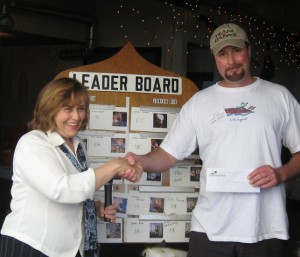
The largest is a 14.25 pound channel catfish that happened to nab him first place in the 13th annual Portland Riverside Marina Catfish tournament in 2008.


"The pulling power of a fighting catfish is like a tow truck under water," said Matt Schoell.

Schoell finds the sport close to home, inexpensive and fun. He's learned much about the river, habitats, preferred bait, and about catfish around the world.

"Many people don't even realize how many are out there," he says. "In my opinion, they are an underutilized resource. People catch them accidentally as a by-product of trying to catch a striper or bass."

He admires their tenacity. This man knows his fish. Schoell is a member of www.ctfisherman.com, an online community of passionate fishing devotees.

Catfish like flowing water. When the water flows hard during high river currents after heavy rain, they move into coves and backwater areas or head to the non-channel side of the river, Schoell has learned. They live from Massachusetts near their migration, Turners Fall dam. The fish are found all the way down to where brackish water mixes with fresh south of Deep River.

(Brackish water is a mixture of salt and fresh water and that's where the white catfish are; they can tolerate the salt water mix more than the channel catfish.)

There is a seasonal migration, for instance, when the water rises above 45 degrees, Then the catfish leave their wintering holes, places 40 to 50 feet deep.

(Schoell has seen these habitats using an Aquaview, a diving camera, which he lowers down into the water to see catfish where they live.)

"In the winter the water does tend to be a little cleaner," he admits.

Yet he's caught catfish year round.

The largest (so far) is a 14.25 pounder that happened to win first place in the 13th annual Portland Riverside Marina Catfish tournament.

"I think there are bigger ones out there," he said.

The state record happens to be 29, nearly 30 pounds, for a cat that came out of a lake.

"That one was probably a bucket biologist who introduced them (that's a term for somebody who shouldn't be doing it, they introduced catfish into different lakes), notes Schoell.

"Channel catfish are fine-tuned hunting machines," he notes. "They can hunt down prey in open water or feed on carrion off the bottom."

Monster Catfish: True Tales

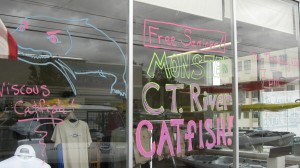
So what about those "monster cats" reported to lurk at the bottom of Connecticut River?

"The 'monster catfish" theory is probably an innate fear of people who have seen catfish in other countries and have seen how big they really can get," said Schoell, who works as a senior loss control consultant by day. "They don't get to those proportions up here because of the growing season, their metabolism and that they eat less in the winter. A big catfish can appear monster-like, compared to a three-pound bass."

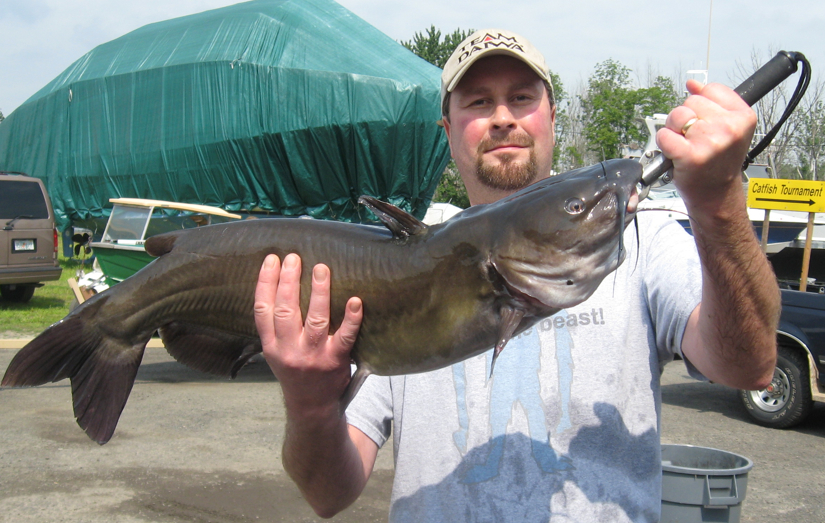
Matt Schoell of Wethersfield and one big catfish.
People are afraid of the catfish whiskers, which are actually sensory organs.


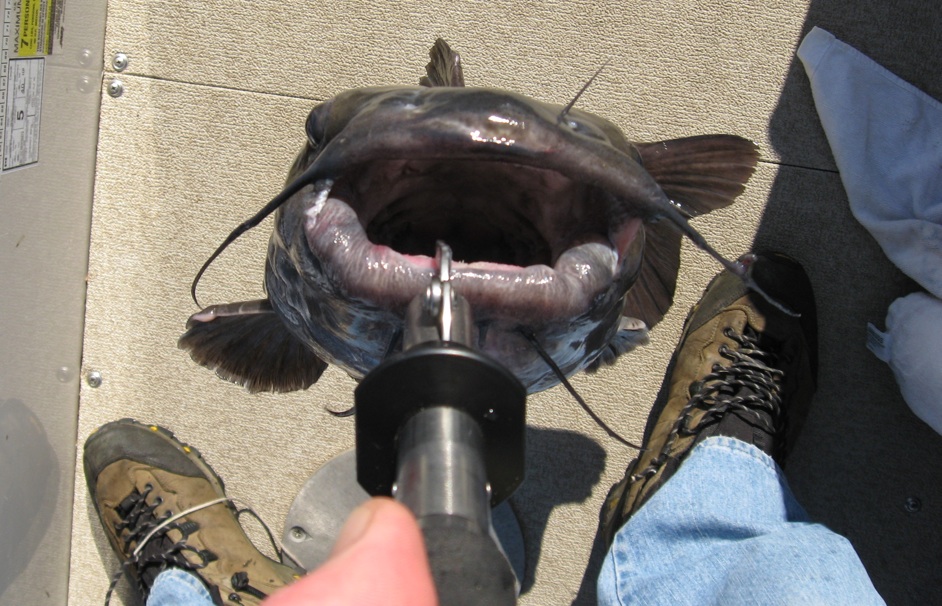
"There are no poisonous features on a catfish. They have three barbs, one each on the pectoral fins and one on back which would be considered the dorsal fin. Once they come out of the water they spin, and one has to watch them. The barbs dull with age. They have no poisonous glands, that's a misnomer."

"Catfish have what we call a lateral line where they can sense vibration. In Asia, they are looked to for hundreds of years as detectors of earthquakes because they can feel the vibrations using the lateral line."

So do monster catfish exist? Schoell has done his fieldwork.

"The Amazon is the largest drainage basin in the world; so massive it surpasses the Mississippi, the Nile, and other major rivers. It's 10 times bigger than them all together. That's where they have red-tailed catfish, and they don't know how big they can get."

There are also catfish in China called the Mekong catfish and they can weigh more than 600 pounds.

"European catfish are called Wels catfish; they are highly predatory. This species has been blamed for attacks on people during spawning season when people swimming nearby."

During breeding season the male will sit on the nest and guard the eggs.

"Anything that comes nearby is going to get bitten. These Wels catfish are protecting their fry or baby fish, and are pretty big and aggressive," he said.

(Yes, there are stories of finding human body parts being found inside of them.)


When The Sun Goes Down

ct-river-catfishDuring the summer in New England, the ideal time to catch catfish is at dusk, when there is less boat traffic. The river calms.

"And the fish probably let their guard down a little bit," he notes and adds that he has had success using dead bait as opposed to freshly frozen, such as sunfish, eels or dace.

In Schoell's opinion the channel catfish are the "most highly developed game fish in North America, based on their sensory abilities."

He would like to see more respect for channel catfish in general.

"I don't expect everyone to find it fun," he notes. "I would like to see some limits on how many catfish can be taken per day, there are no limits on channel catfish currently in the Connecticut River." He would suggest not keeping anything more than 10 pounds because they do build up more toxins, PCBs, the longer they live.

"Catfish have incredible sensory detection abilities, including electroreception (the biological ability to perceive electrical impulses), like sharks. They are a worthy fish."
big-catfish1

Connect To Community

The online community of www.ctfisherman.com started in 1999 as a place to display fishing photos. In 2001, a public message board was launched (originally a place for Connecticut freshwater bass anglers to share reports). The site has evolved into a community for all who love fishing. In 2007, it changed from a free public site to a subscription-based site for members only. (A free fishing discussion forum requires no subscription.)

Publisher Mitch Passero of Stamford, Connecticut, along with help from volunteer moderators, keeps the site lively and informative.

Gone Fishin'

A printed version of the Connecticut DEP Angler's Guide can be obtained anywhere you can purchase a fishing license or call (860) 424-3474. A PDF version is available online at www.ct.gov, which also offers a complete rundown of freshwater and saltwater fishing information.

Tuesday, July 7, 2009

Where The Buffalo Roam


The buffalo roam at Creamery Brook Bison located at 19 Purvis Road, Brooklyn, (Connecticut). The farm offers a closer look at a real buffalo herd and offers wagon rides, dairy cow milking demonstration, and ice cream on site.

Call for more information (860) 779-0837.

The American Bison is a North American species commonly known as the American Buffalo. It is the largest land animal in North America.

Saturday, July 4, 2009

Can You Say 'Semiseptcentennial' Parade?

A Semiseptcentennial Parade steps off Sunday, July 5, 1 p.m., in Norwich, featuring floats, bands, antique cars and dignitaries from all over the world.

All Norwiches and Norwalks around the globe have been invited to partake in Norwich's 350th anniversary celebration.

The parade route is Broadway to Franklin Square. For information visit www.norwichct350.com.